What do you think of when you think of Teesside? A “Smoggie Land”, where a vascular system of metal pipes provides the life blood for tall, steaming towers? A multicultural metropolis, where the parmo is the entrée for modern art? I bet you don’t think of wildlife, but you should; Teesside has more wildlife than just about anywhere else in the North-East.
Perhaps this shouldn’t be that much of a surprise. The coast and the wetlands that surround it have been protected as being internationally important for birds for nearly three decades; the sand dunes that keep sea and land apart are nationally important, and the growing seal population can hardly be missed by anyone driving to Seaton Carew. What is surprising is that the sheer variety of plants and animals, the true meaning of biodiversity, is perhaps as high on the industrial and post-industrial sites that are the nature reserves’ neighbours as on the nature reserves themselves. Industry covers approximately 17 square miles of Teesside. The largest part of that is land used as a buffer, and those areas have gradually been colonised by wildlife.
As might be expected of somewhere hosting a Special Protection Area, parts of Teesside have been very well known to birders for years and the advent of the RSPB’s Saltholme reserve, opening in 2008, has provided a focal point for them. But there is a lot more to the nature of Teesside than birdwatching, for example well over 600 plant species have been recorded just at South Gare, including some known from less than a handful of locations in the UK. A recent book, written by past and present staff from the Industry Nature Conservation Association (INCA), describes the natural history of both the industrial and wilder elements of the area. Called “Wild Teesside”, it draws on INCA’s 30 plus years’ experience of trying to enhance the symbiotic relationship between industry and nature.
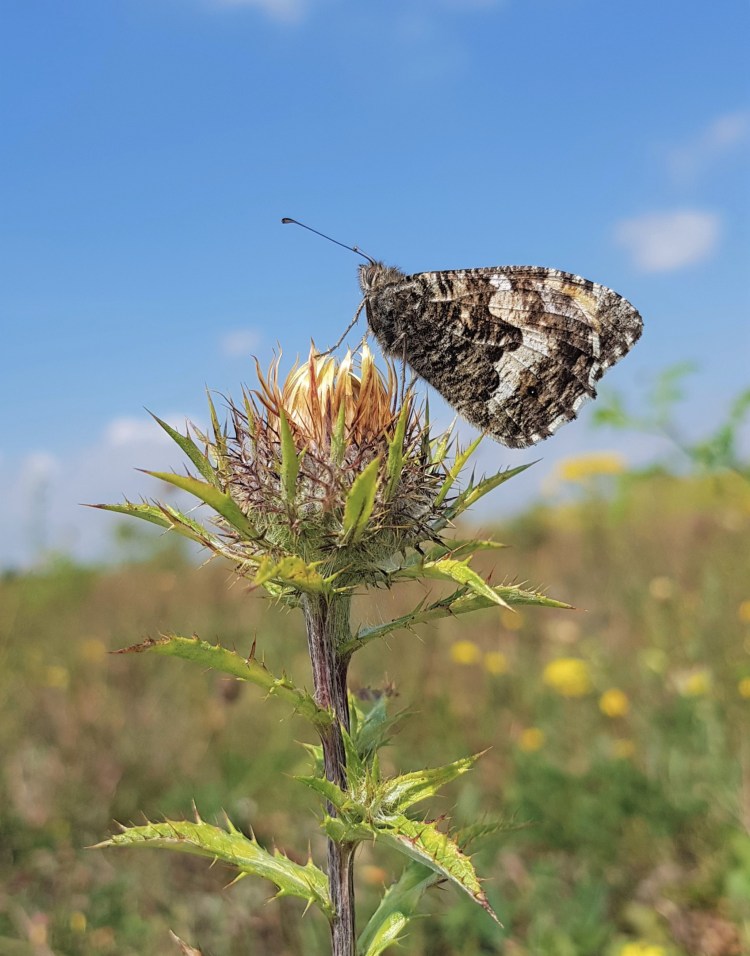
Of course much of the wildlife around industrial sites is accidental. It was never the intention that burying huge areas beneath a shroud of low nutrient, alkaline slag from the blast furnaces would create ideal conditions for wildflowers to thrive. Nor were the railway sidings, with their bare ground and little pockets of grass and herbs designed with nationally rare butterflies in mind. Likewise the high security fences aren’t really there to keep the deer and hares safe from being disturbed, however admirable a job they do of that. But much of this has been deliberate and the result of habitat creation by the companies themselves, from large-scale wetlands to small butterfly glades.

For those who don’t work on the industrial sites, most of this remains a hidden kingdom but wildlife doesn’t respect boundaries. Part of what the industrial areas do is provide a stronger matrix of support for the surrounding nature reserves, with species moving between the two. Covering almost 30 square miles between them, the industrial sites and the nature reserves would surely merit – in the best BBC documentary style – the title of “Wild Teesside.”
Wild Teesside (paperback 146 pages) can be purchased from INCA for £10 including P&P. For details email: plover@inca.uk.com
 Raven on the Wing