“A good name”, the good book says, “is better than riches”, but in my book a bad name definitely travels further. Some years ago now, I was doing a prospective university visit with my son at Warwick University in Coventry. This was our sixth university and lunch followed the familiar pattern of being decanted around a table with a bunch of other misfit parent-teenager pairs, the teenagers all trying to look older, the parents all trying to be eighteen. The rules of the game were to try and keep a conversation going with someone you had never met, would never speak to again and all you had in common with was a seventeen year-old offspring who disliked Chemistry less than they did other subjects. The father opposite was impaled on a baguette so it was down to me to kick-off. “What did you think of the other universities you have you visited,” I asked. This was the only question I ever asked on these occasions but I said it as if I was going to follow it up with some interesting conversation. Fortunately I didn’t need to as he started with a list of things to see in Coventry and what he thought of them, then the pros and cons of other university towns they’d visited and, now in full flow, the towns their family visited on a weekend when, as far as I could see, they hadn’t really needed to. As he reeled off some of the towns they’d visited that year, Nottingham, Blackburn and, the “I-Spy” fifteen-pointer, Milton Keynes, I realised that I had sat down with a family of town spotters.
He asked where I was from and, not wanting to be too committal, I just said “The North East”. At this he leant forward, hushed his voice a little (I thought he glanced sideways but my brain probably filled in that detail.) “Have you heard of a place called Seaton Carew,” he grinned. I admitted that I knew it, had taken my kids there when they were young enough to call it Seaton Kangaroo, in fact I’d been taken there regularly when I was a boy myself and yes, I had to agree it looked like that was the last time someone had given it a lick of paint. They were from the West Midlands and had therefore travelled a long way to visit Seaton Carew but it was obvious from his glee that the unparalleled awfulness had been worth the journey. It wasn’t easy to disagree with his description. I hadn’t liked Seaton Carew as a kid, I only took my kids there because they could charge around on the free play area in the amusements while we sat and watched with a coffee and I could persuade them that 2p drop machines were the height of excitement. Even that amusement arcade had closed down now.
Impressive though their town spotting skills might have been however, the problem with a day visit is that you only get half the story. Their tick list had completely missed the other Seaton Carew that I got to know when I worked in the town. The other Seaton Carew is a place of sweeping vistas, where I could lean on the sea wall and let the wind carry me from my lunch break to the towering, distant sentinel of Hunt Cliff. A place I drove through on my way home most nights but where I never found the same sea twice. Where a faint mist could dab the distant industry like cotton wool and vast skies reveal it not to be a “monstrous carbuncle” but merely an oily zit on the back of our juvenile species, one that will fade as we mature.
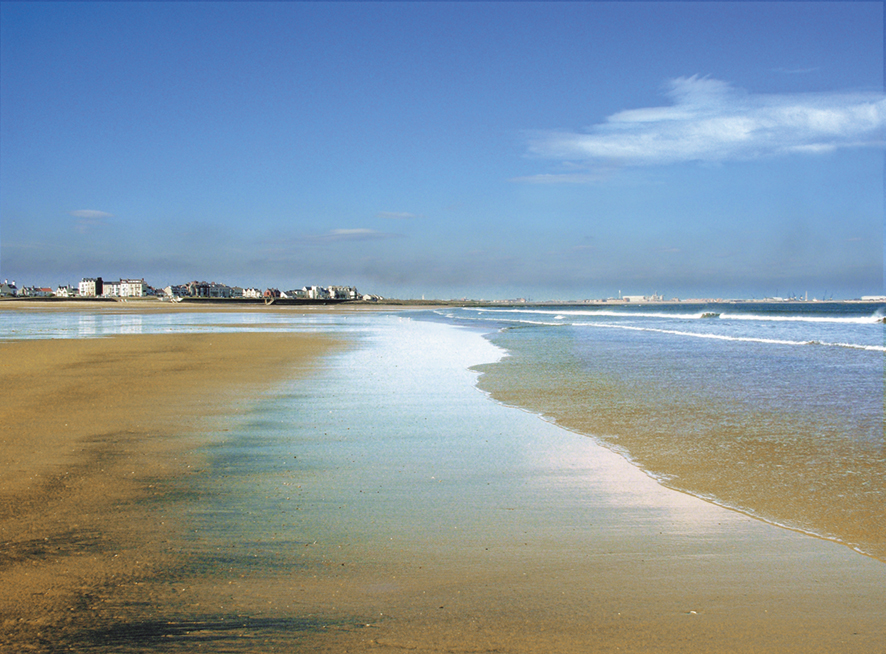
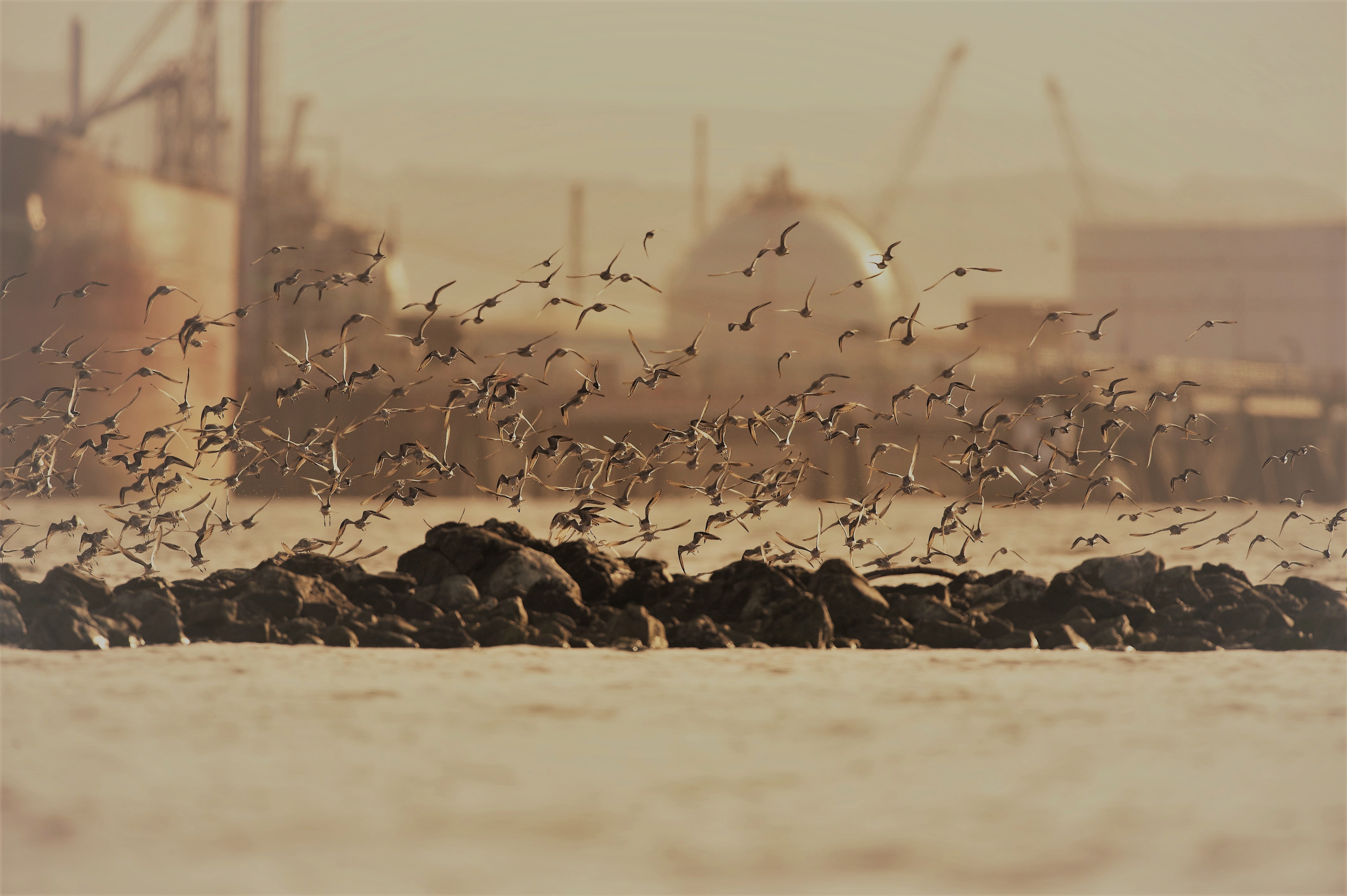
I would inhale the sea air, fresh and salted, and count the birds that litter the shore. Then count them again to make sure I got it right; then count them a third time because they dance in the Neverland between waves and rocks and deserve to be counted and counting is all I can do to connect with them. A north wind sweeps down over the Balamory-bright buildings of the Headland, freezing them in time as it drives white tops against rocks, frozen in time, which once clung as sand grains to the feet of dinosaurs.
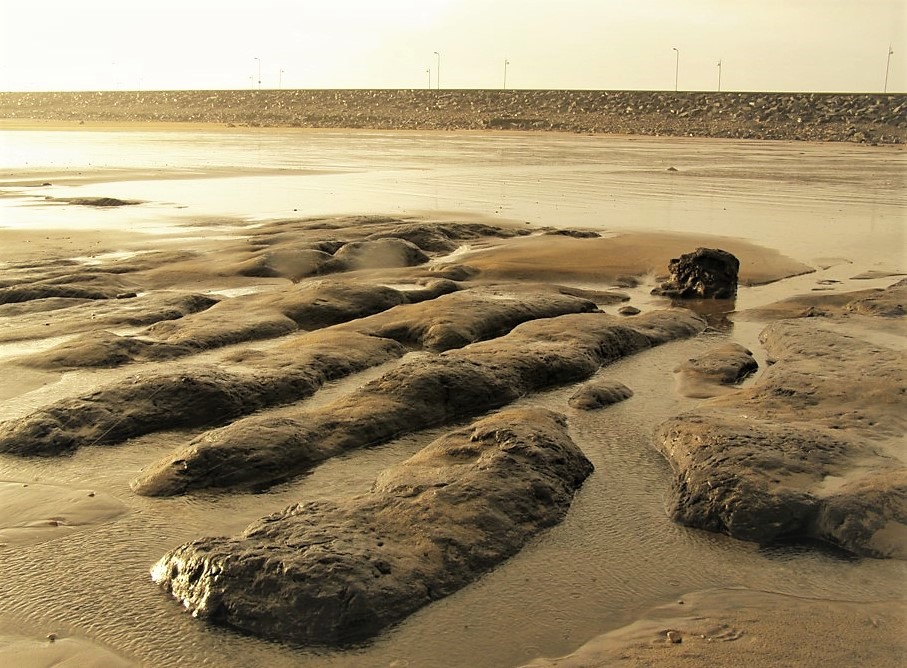
Five thousand years ago great beasts walked here in a forest hidden by the sea. Their scant remains now lie clothed in a bed of peat and buried like treasure in the sand and in five thousand years we will have walked here and the sea will have made pebbles of our existence.
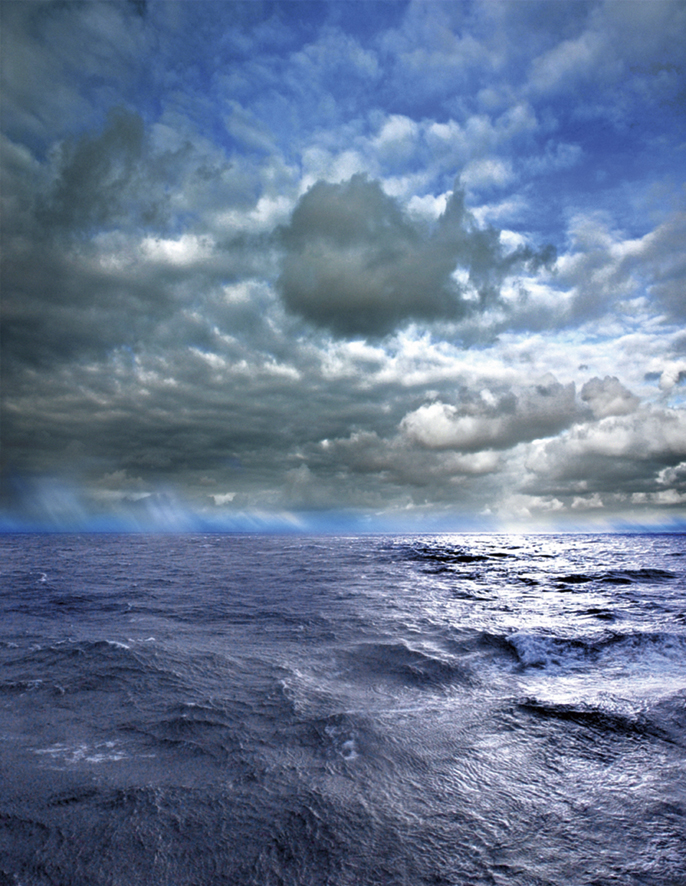
Each visit ends with a last look as I try to memorise a sea that will never look the same again no matter how many times I look and I head on past the Seaton Carew that everyone thinks they know. The good book also says that the first can be last and the last can be first but in my book sometimes they are one and the same.
 Raven on the Wing